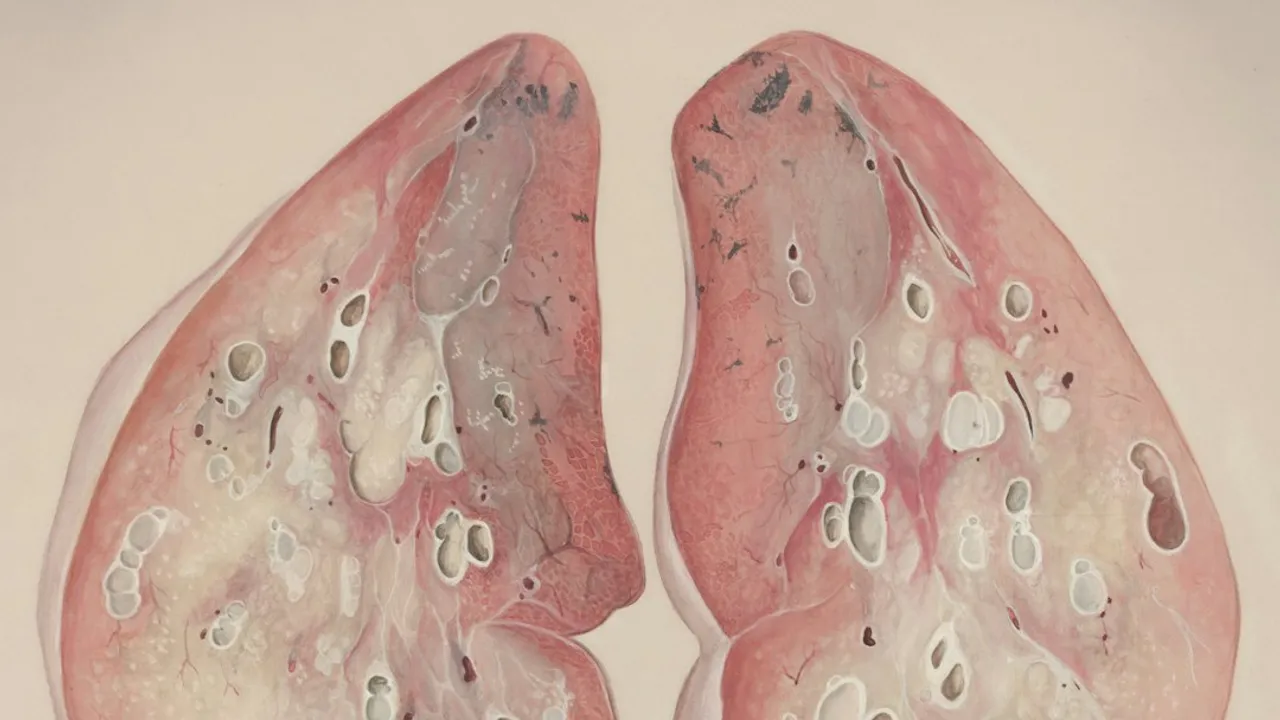
How Diabetes May Weaken the Lungs' Defense Against Dangerous Fungal Infections
Researchers have identified a specific biological pathway that appears to dampen immune responses in people with type 1 diabetes, making them more vulnerable to severe fungal lung infections. Understanding this mechanism could eventually lead to new ways to protect diabetic patients.
Evidence label explains the kind of source behind this article (for example peer-reviewed literature vs community video). It is not medical advice.
Key takeaways
- Type 1 diabetes is associated with elevated levels of a protein called Gas6 in the lungs and bloodstream, which correlates with blood sugar levels.
- This Gas6 protein activates a receptor called Axl on immune cells called macrophages, which suppresses their ability to fight fungal infections.
- When researchers blocked the Gas6/Axl pathway in diabetic mice, the mice's immune systems recovered their ability to fight the fungal infection and survival improved significantly.
- This research identifies a specific biological mechanism—not yet tested in humans—that may explain why people with type 1 diabetes face higher risks from certain severe infections.
Why This Matters
People with type 1 diabetes face heightened risk from serious infections, including uncommon but life-threatening fungal diseases. One such infection, pulmonary mucormycosis—a fungal lung infection—has a mortality rate exceeding 50%, and diabetes is one of its strongest risk factors. Yet scientists have not fully understood *why* diabetes increases this risk so dramatically. A new study published in Frontiers in Cellular and Infection Microbiology offers important clues by identifying a specific immune pathway that appears to malfunction in diabetic mice exposed to fungal infection.
This research was conducted in mice with streptozotocin-induced type 1 diabetes, a laboratory model that mimics the immune and metabolic features of human type 1 diabetes. While the findings cannot yet be directly applied to people, they point to a biological mechanism that may help explain why diabetes compromises the lung's ability to fight off dangerous fungi.
The Gas6/Axl Pathway: A Key Discovery
The researchers focused on two molecules: Gas6 (growth arrest-specific protein 6) and Axl, a receptor that Gas6 binds to. In diabetic mice, Gas6 levels were significantly elevated in both the lungs and the bloodstream, and these elevated levels correlated with how high the mice's blood glucose rose. The scientists hypothesized that this excess Gas6 might be interfering with immune function.
When Gas6 attaches to the Axl receptor on macrophages—immune cells that play a critical role in fighting infections—it appears to suppress the macrophages' ability to produce chemokines. Chemokines are chemical signals that recruit other immune cells, especially neutrophils, to the site of infection. By dampening chemokine production before infection even occurs, the Gas6/Axl pathway essentially puts the immune system into a weakened state.
Testing the Pathway in Diabetic Mice
To test whether blocking this pathway could restore immune function, the research team used two approaches: genetic deletion of Axl in some mice, and a pharmacological Axl inhibitor called BGB324 in others. When they infected diabetic mice with a fungal species called Cunninghamella bertholletiae and then blocked Axl signaling, the results were striking.
Mice treated with Axl blockade showed restored macrophage chemokine responses, which led to increased recruitment of neutrophils into the lungs. These improvements translated directly into better survival: blocking the Gas6/Axl pathway significantly reduced the mice's fungal burden and improved their chances of surviving infection. In untreated diabetic mice, the infection progressed rapidly and lethally.
What This Research Suggests—and What It Does Not
This study provides strong evidence in mice that the Gas6/Axl axis is a mechanistic link between diabetes and impaired immune defense in the lungs. It suggests a plausible explanation for why people with type 1 diabetes may be especially vulnerable to certain severe infections: chronically elevated Gas6 may put their macrophages into a suppressed state, reducing their ability to mount an early immune response.
However, it is important to note that these findings come from mouse studies and have not yet been tested in humans. While the results are promising and suggest that targeting the Gas6/Axl pathway might eventually help protect people with diabetes, much work remains before such an approach could be explored clinically. This research provides a foundation for further investigation, but does not constitute a treatment or prevention strategy at this time.
Looking Ahead
The researchers conclude that targeting the Gas6/Axl axis may represent a promising host-directed approach to reduce the risk of severe fungal infections in people with diabetes. Host-directed therapies work by boosting the body's own immune defenses rather than directly attacking the pathogen. If future research in humans confirms these findings, it could eventually lead to new protective strategies for vulnerable populations.
For now, people with type 1 diabetes should continue following their doctor's guidance on infection prevention and blood sugar management. This research underscores the importance of understanding the biological links between diabetes and infection risk—knowledge that could one day lead to better protections.
Evidence label
Source: Frontiers in cellular and infection microbiology. Evidence type: PubMed indexed literature. Type1Cure is an information and intelligence hub, not a medical advice service. This article summarizes published research and does not provide diagnosis, treatment, or personal medical guidance. Always talk to your own care team before changing anything about your Type 1 diabetes management.
Type1Cure is an information and intelligence hub, not a medical advice service. This article summarizes published research and does not provide diagnosis, treatment, or personal medical guidance. Always talk to your own care team before changing anything about your Type 1 diabetes management.
Related reading
More evidence-labeled coverage across the Type1Cure library.
- Causes & What We KnowUnderstanding Type 1 Diabetes: A Shift Toward Early InterventionPubMed indexed literature
- Causes & What We KnowHow Nutrition, Metabolism, and Immunity Connect: What the Lectin Pathway Tells UsPubMed indexed literature
- Causes & What We KnowA Rare Skin Condition in Young Children with Type 1 Diabetes: What Parents Should KnowPubMed indexed literature
- Causes & What We KnowClinical modifiers of the association between type 1 diabetes and dementia incidence.PubMed indexed literature
- Causes & What We KnowNew Study Finds Genetic Links Between Type 1 Diabetes and Acute PancreatitisPubMed indexed literature
- Causes & What We KnowWhat Type 1 Diabetes and Alzheimer's Disease Have in CommonPubMed indexed literature