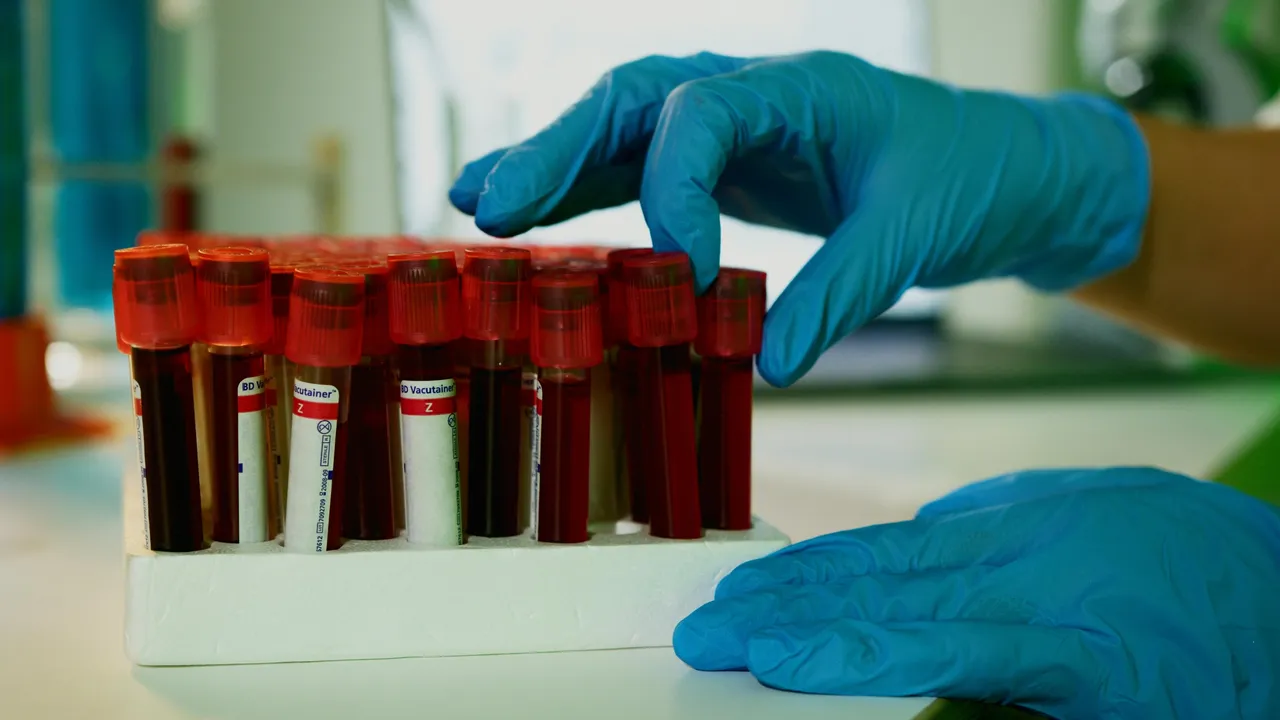
Large European Study Shows Screening Children for Type 1 Diabetes Is Feasible—and May Help Prevent Complications
A new pilot program across eight countries demonstrates that population-wide screening for early signs of type 1 diabetes in children is practical and could identify the disease before symptoms appear. Early detection offers real clinical benefits, including reducing the risk of dangerous complications.
Evidence label explains the kind of source behind this article (for example peer-reviewed literature vs community video). It is not medical advice.
Key takeaways
- Researchers in eight European countries successfully piloted screening programs to detect type 1 diabetes in its early, presymptomatic stages—before children show symptoms.
- The study used a common protocol to screen for islet autoantibodies, biomarkers that signal the immune system is attacking insulin-producing cells.
- Identifying type 1 diabetes early matters because preventive and disease-modifying treatments like teplizumab are now available, and others are in development.
- Early detection is associated with clinical benefits, including reduced risk of diabetic ketoacidosis (DKA), a serious and potentially life-threatening complication.
- Researchers propose rolling out screening across Europe with three testing windows: ages 2–4, 6–8, and 10–15.
What the Study Found
A new research initiative called EDENT1FI has demonstrated that screening children for early signs of type 1 diabetes across multiple countries is feasible. The pilot program operated in eight European countries and was presented at the annual meeting of the European Association for the Study of Diabetes in Milan in October 2026.
Using a uniform screening protocol, researchers tested children for islet autoantibodies—immune markers that indicate the body's immune system is attacking the insulin-producing cells in the pancreas. This autoimmune activity can begin years before a child develops symptoms or receives a type 1 diabetes diagnosis.
Understanding the Stages of Type 1 Diabetes
Type 1 diabetes develops in stages. Researchers now recognize three distinct stages: stage 1 and stage 2 are presymptomatic (the person has no symptoms yet), and stage 3 is when symptoms appear and the disease is typically diagnosed.
The significance of identifying these early stages is that preventive interventions can begin before symptoms develop. Teplizumab, one such intervention, is already available. Other disease-modifying treatments are currently in development, making early detection increasingly valuable.
Why Early Detection Matters
Detecting type 1 diabetes in its presymptomatic stages offers real clinical benefits. One important advantage is a reduced risk of diabetic ketoacidosis (DKA)—a serious complication that can develop when the body produces too many ketones and the blood becomes too acidic. DKA is a medical emergency and can be life-threatening.
Beyond preventing immediate complications, early identification allows families and care teams to monitor closely and begin preventive treatments when they become available, potentially changing the disease's course.
Next Steps: A European Screening Framework
Based on the success of the pilot program, the research consortium recommends rolling out population-based screening for type 1 diabetes across Europe. The proposed approach includes three testing windows: children ages 2–4, 6–8, and 10–15.
The EDENT1FI consortium, coordinated by researchers at KU Leuven in Belgium and Helmholtz Munich in Germany, is working to harmonize early detection approaches across countries. This collaborative effort aims to create a consistent, evidence-based framework for screening that can be adapted to different healthcare systems.
Evidence label
Origin: medicalxpress.com (News report). Evidence: News report — unverified, pending corroboration. Type1Cure is an information and intelligence hub, not a medical advice service. This article summarizes published research and does not provide diagnosis, treatment, or personal medical guidance. Always talk to your own care team before changing anything about your Type 1 diabetes management.
Type1Cure is an information and intelligence hub, not a medical advice service. This article summarizes published research and does not provide diagnosis, treatment, or personal medical guidance. Always talk to your own care team before changing anything about your Type 1 diabetes management.
Related reading
More evidence-labeled coverage across the Type1Cure library.
- Cure & AdvancementsCell Replacement Therapy: A New Frontier in Type 1 Diabetes ResearchVideo report, corroborated with 5 indexed studies
- Cure & AdvancementsWhy Beta Cells Die in Type 1 Diabetes While Alpha Cells SurviveNews report, corroborated with 2 indexed studies
- Cure & AdvancementsEarly Trial Shows Some People with Type 1 Diabetes Can Reduce or Stop Insulin—Here's What We KnowNews report, corroborated with 3 indexed studies
- Cure & AdvancementsBeta Cell Therapy: Moving From Lab Promise to Real-World TreatmentVideo report, corroborated with 2 indexed studies
- Cure & AdvancementsUnderstanding the Eleodon Trial: What Early Results ShowVideo report — unverified, pending corroboration
- Cure & AdvancementsIslet Cell Therapies Advance: What You Need to KnowNews report, corroborated with 3 indexed studies